White-label WordPress development from India: how it works with me
For agencies in the UK, US and Australia outsourcing WordPress development to India: how projects, time-zone handoffs, confidentiality and pricing work with me. New to the model? Start with white-label WordPress development explained.
A white-label project, step by step
- Brief and NDA. You send the designs (Figma, XD or PDF), the content or a note on who provides it, and hosting or staging access. I'm happy to sign your NDA before you share client details.
- Questions, then a fixed quote. I send my questions in one numbered list, then confirm the scope, timeline and a fixed price, so you can quote your client and protect your margin.
- Build on staging. I build on a staging site kept out of search engines, at an address you can share with your client under your brand.
- Written updates. At the end of each working session you get a short note: what is done, with staging links, what is next, numbered questions and anything blocked.
- My QA, then yours. I test before your team reviews. Feedback comes back as one consolidated list per round, and revisions go through you, never directly to your client unless you ask.
- Launch and handover. The site goes live on your client's hosting, or your team launches it, with a handover note you can pass straight to your client.
Time zones: how handoffs work with the UK, US and Australia
India Standard Time is UTC+5:30 and never changes for daylight saving, so the gap with your office moves by an hour when your clocks do. Calls and decisions happen in the overlap, building happens while you are offline, and a written update is waiting when you start.
| Your office | Difference from IST | Overlap | How a handoff usually runs |
|---|---|---|---|
| UK | IST is 4.5 hours ahead in summer, 5.5 in winter | Your morning is the Indian afternoon | Morning feedback can be discussed the same day; anything later is picked up at the start of my next working day |
| US East Coast | IST is 9.5 hours ahead in summer, 10.5 in winter | Little or none in normal working hours | Feedback sent in your afternoon is worked on during the Indian day, and the update is waiting when you start |
| US West Coast | IST is 12.5 hours ahead in summer, 13.5 in winter | None in normal working hours | Mostly written, with calls in an early or late slot agreed in advance |
| Sydney and Melbourne | IST is 4.5 hours behind in winter, 5.5 in summer | Your afternoon is the Indian morning | Questions sent in your morning are waiting when my day starts, and your afternoon overlaps it for calls |
We agree overlap hours and a call slot before the first project, recheck them when your clocks change, and schedule launches and DNS changes inside the overlap. Answering my numbered questions before my next working day keeps a build moving.
Working with an offshore developer across time zones covers response times for live issues, and outsourcing WordPress development to India covers the wider picture, including red flags.
Confidentiality and working under your brand
- NDA. I sign your NDA, covering your client's name, designs, data and business information.
- No credits. No credit links, footer mentions or developer branding anywhere on the site, on staging or in the handover note.
- No client contact unless you want it. If you ask me to join a call with your client, I join as part of your team.
- Billing through you. I invoice your agency, and you bill your client however you choose.
- Accounts in the right names. Hosting, licences and admin accounts stay in your or your client's name; my own login can be removed at any time.
- Personal data. If the work touches personal data such as orders, tell me which rules apply on your side, such as UK GDPR or Australia's Privacy Act, so my access is limited to what the job needs.
Communication
I work in the channels your team already uses: a Slack channel in your workspace, email or WhatsApp for quick questions; your project board for feedback and bugs, one item per issue with the page URL, device and a screenshot; and video calls with screen sharing in the overlap for kick-off and reviews. Short screen recordings help in both directions, and one decision-maker on your side avoids conflicting feedback.
Staging and QA before your client sees anything
My QA pass comes before your team's review, so your time goes on judgement calls, not on things I should have caught:
- The build against the design on desktop, tablet and real mobile devices, in current browsers.
- Forms, emails, payments and integrations, tested end to end.
- Speed, image optimization and Core Web Vitals.
- SEO basics, with search engine indexing switched on at launch.
- Global styles and a tidy structure, so your client can edit without breaking the layout.
The website QA checklist for agencies is a good template for your own review.
How agency work is priced
I do not publish rates, because a landing page and a WooCommerce build are very different jobs. You get a fixed quote after I review your brief. The usual models:
- Fixed price per project, for builds with final designs and a clear brief. It is the simplest to mark up for your client.
- A monthly maintenance plan per client site, covering updates, backups, security checks and small changes, which you can resell as your own care plan; see white-label WordPress care plans.
- Ongoing support hours, for agencies with a steady flow of changes across several sites; how a development retainer works explains the arrangement.
Changes outside the agreed scope are quoted before any work starts, and regular partners get priority scheduling.
Timelines
Typical timelines, confirmed with each quote: a landing page in 3–5 working days once content is clear, a business site in a few weeks, a WooCommerce store in 2–4 weeks. Unique templates, final designs, content readiness and quick answers decide where in the range you land.
Who this suits
- Design and branding agencies with Figma designs and no in-house WordPress developer; see Figma to WordPress.
- Marketing and SEO agencies that need sites, campaign landing pages and care plans to resell.
- Agencies with more projects in busy months than their team can deliver.
It suits you less if you need a developer online for your whole working day, every day. A US agency in that position is better served by someone in its own time zone.
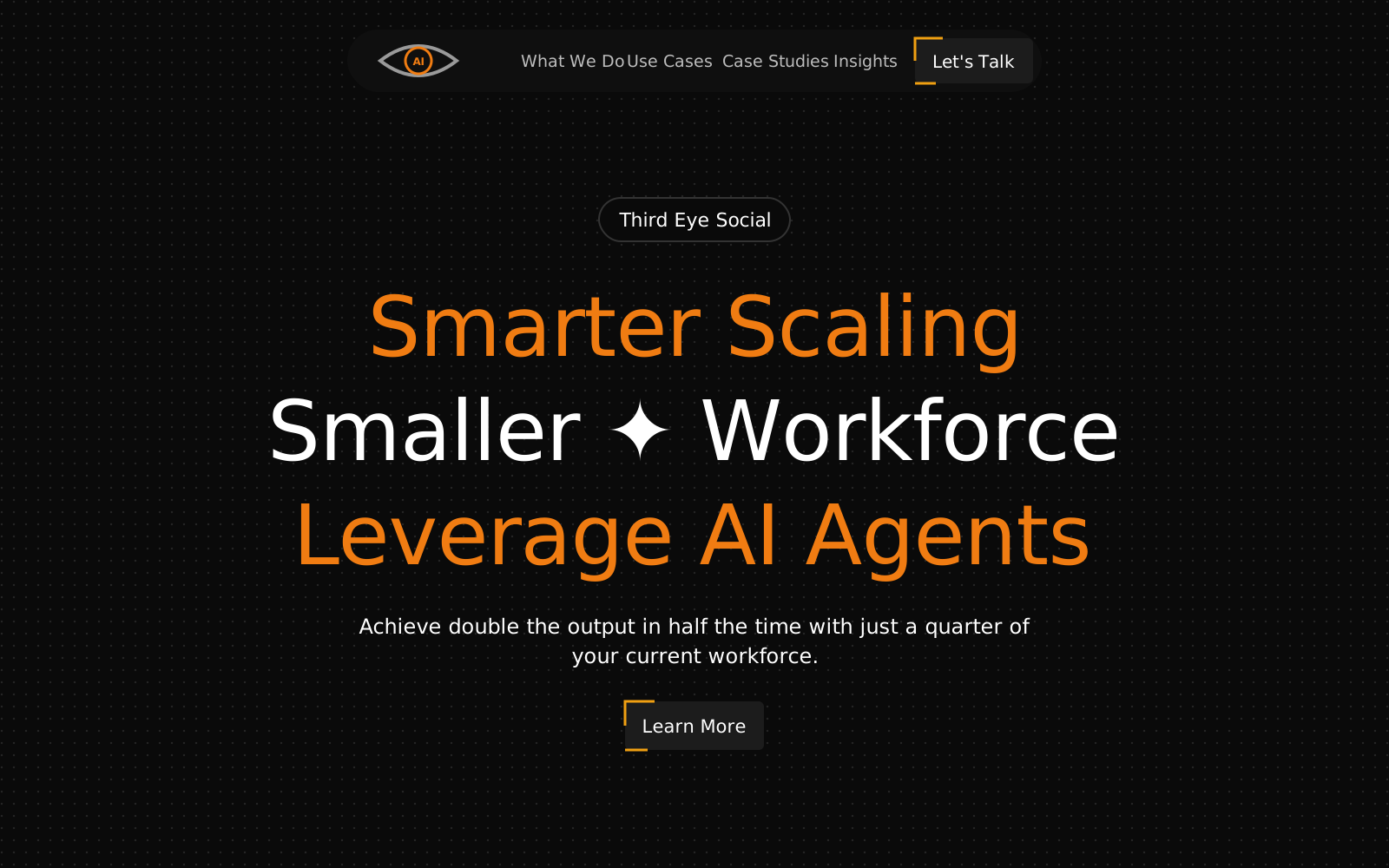
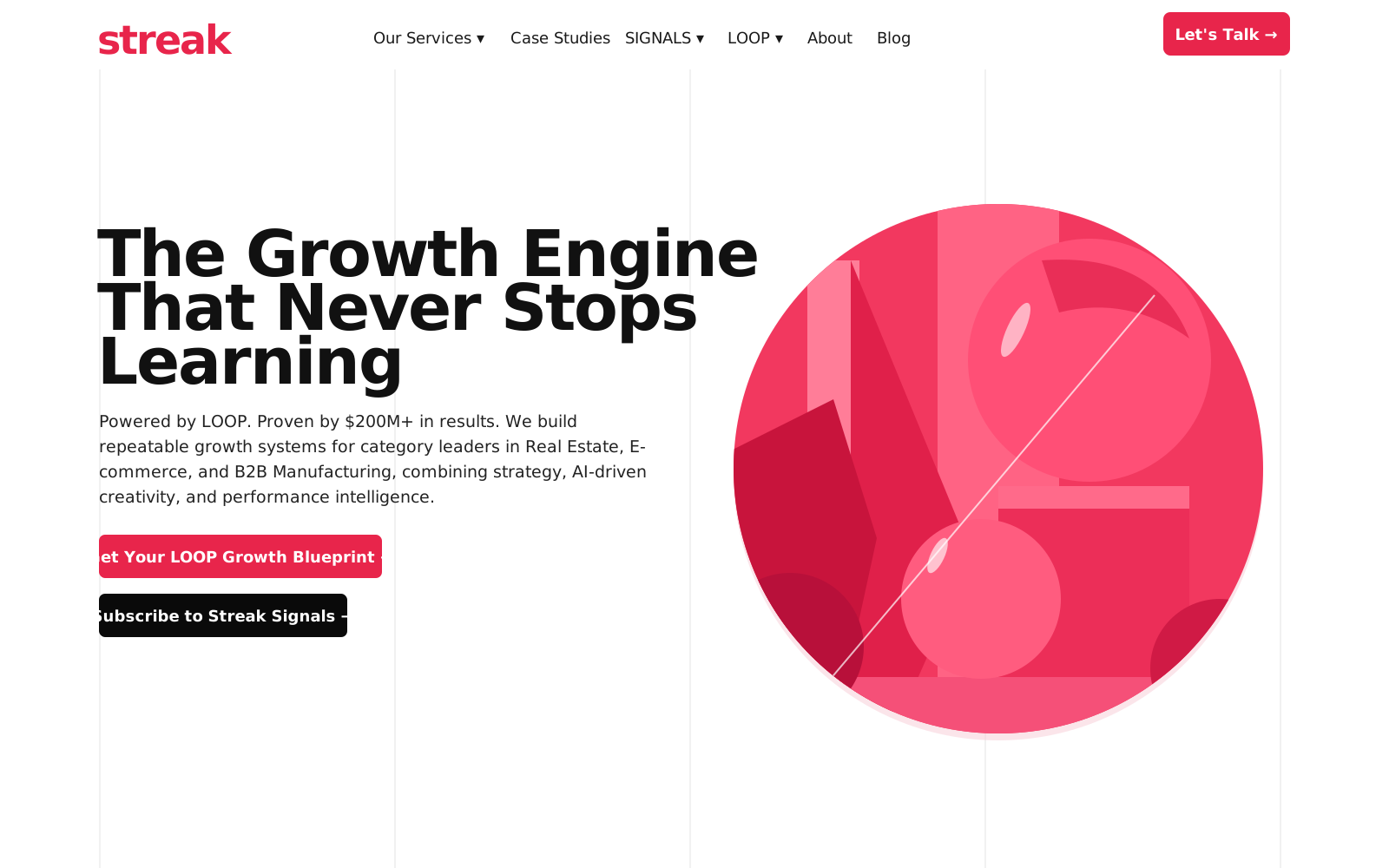
I have also built websites for agencies themselves: Streak Creative, a growth marketing agency, with pages for its LOOP methodology and a lead magnet, and Third Eye Social, an AI automation agency, with use-case sections for each type of AI agent.
How to prepare for the first project
Start small, with a landing page or a few templates, before handing over a major client. Then send:
- Final designs, with mobile layouts and hover, menu and form states.
- Copy and assets, or who is providing them and when.
- Functionality notes: forms, integrations, payments and languages.
- Your preferred builder or theme, and hosting or staging access.
- The deadline, and when your client expects to review.
The agency handoff checklist covers each item in detail.
What you get at the end
- A site built to your design, tested on staging and launched on your client's hosting, or ready for your team to launch.
- A handover note with no developer branding, ready to pass on.
- Admin accounts and licences in your or your client's name, with my access removed or kept for maintenance, as you choose.
Send me your next brief for a fixed quote after a free review.